Effects of Drug Addiction on Oral Health


Reader-supported. We may earn a commission from links on this page. Advertising disclosure.
In this article
Drug and alcohol addiction can lead to various health complications. These include serious oral health problems and complications.
Unless you stop taking these substances and receive help, you’re at risk of staying in a cycle of deteriorating health. In this article, we discuss the different effects of abusing nicotine, alcohol, and drugs and how each one affects your oral health.
What Are the Oral Health Effects of Tobacco and Nicotine?
Nicotine and tobacco, in particular, can have a drastic influence on your oral health. It’s a highly addictive chemical and one of the leading causes of disease and death in the U.S. It’s present in:
- Cigarettes
- Cigars
- E-cigarettes
- Chewing tobacco
About 34 million adults in the country smoke cigarettes and over 16 million cigarette smokers suffer from smoking-related diseases.8 According to John Reed, a dental public health expert from Test Prep Pal, smoking and chewing tobacco can lead to the following:
Dry Mouth (Xerostomia)
Similar to plaque buildup, smokers are more likely to develop dry mouth (xerostomia). It’s a less severe oral condition when the mouth’s salivary glands don’t produce enough saliva.
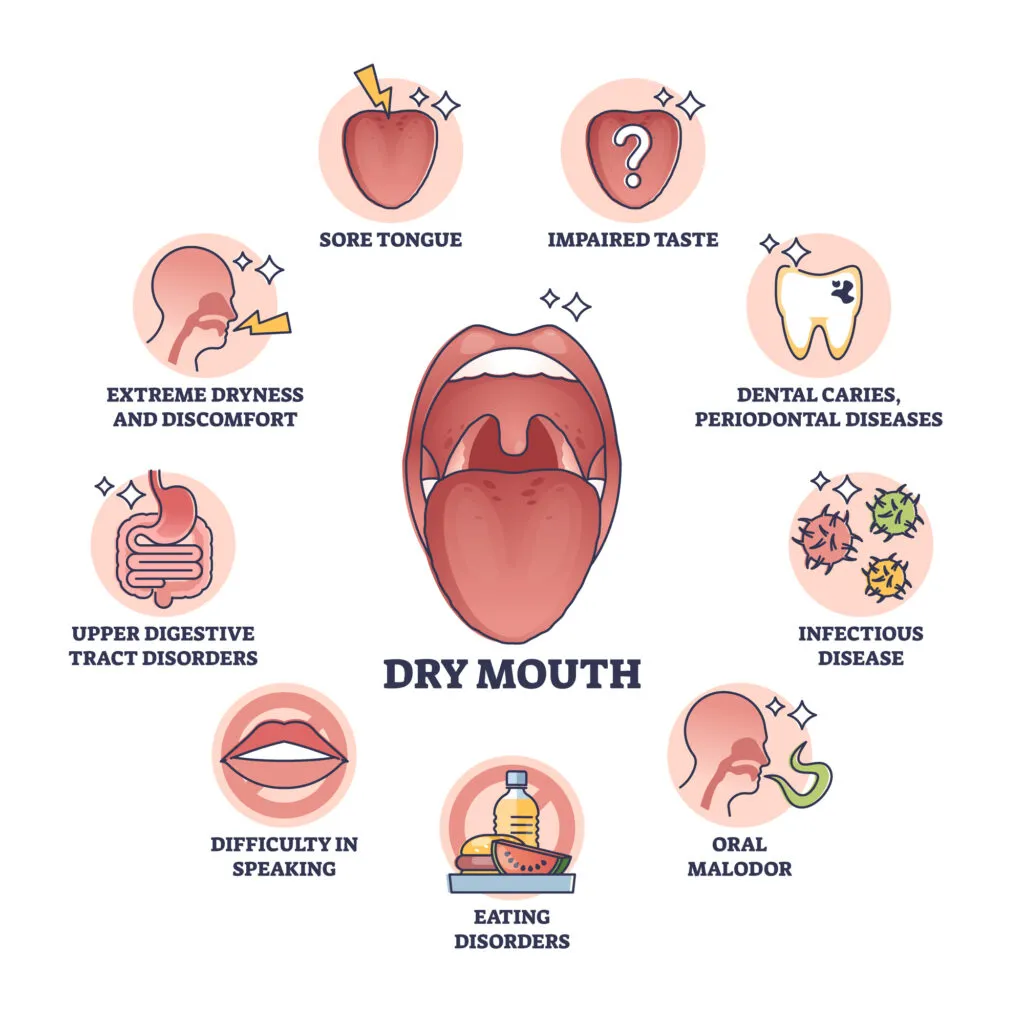
Tobacco and nicotine slow down how quickly the mouth makes saliva. This can result in the following conditions:
- Cavities
- Dental erosion
- Gum disease
- Mouth sores
- Thrush
Gum Disease
Smoking on its own doesn’t result in gum disease. However, long-term smoking contributes to dry mouth. A dry mouth leads to increased plaque and calculus buildup, which can lead to gum disease.
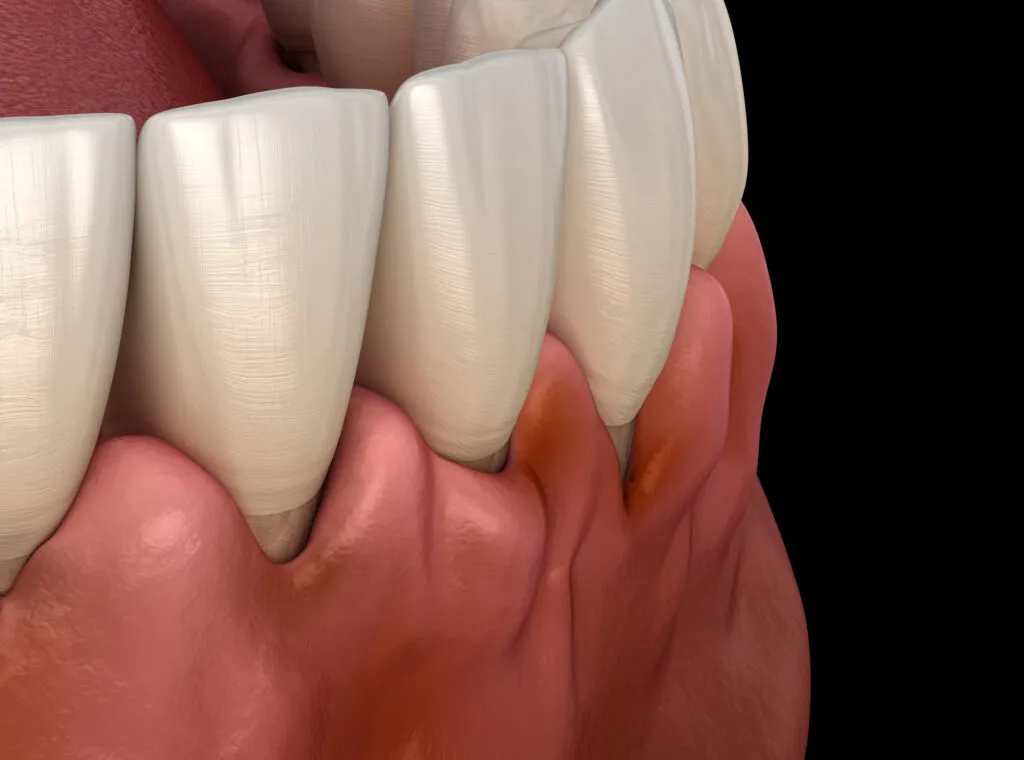
Over time, gingivitis (reversible gum disease) or periodontal disease can form. It results in permanent bone loss and, eventually, tooth loss.
Tooth Discoloration
Smoking can stain teeth brown, yellow, or black. A dentist or an at-home whitening treatment can remove these stains. However, continuing to smoke makes discoloration more challenging to remove.
Plaque and Calculus Buildup
Tobacco products contain chemicals that decrease saliva flow. If the mouth doesn’t produce enough saliva, plaque builds up faster and is harder to remove.
Plaque is a sticky bacterial layer that triggers an inflammatory response in the gums. Unremoved plaque turns into calculus (tartar), which is hardened plaque.
Over time, unremoved plaque and tartar result in cavities and gum disease. Only a dentist can remove tartar.
Bad Breath (Halitosis)
The following can lead to chronic bad breath:
- Smoking cigarettes
- Chewing tobacco frequently
- Using other tobacco products
There’s no single solution to treating halitosis. However, most people can cure it by changing their lifestyle and oral hygiene routines.
Oral Cancer
Tobacco is the leading cause of oral cancer in adults. About 90 percent of people with oral cancer use tobacco.10
This type of cancer can affect the following:
- Throat
- Tongue
- Mouth
- Lips
- Gums
- Cheeks
Changes in Blood Circulation
Smokers have “masked” or “silent” gum disease. Nicotine reduces blood flow, resulting in less sensitive gums and minor bleeding.
What Are the Dental Health Effects of Alcohol?
According to Reed alcohol is often loaded with sugars. This can cause various problems, including:
- Tooth decay
- Damaged gum tissues
- Worsen dry mouth problems
Drinking alcohol occasionally and moderately shouldn’t affect your teeth too badly. However, an unhealthy habit of drinking can lead to short and long-term effects on your oral health.
Short-Term Oral Health Effects of Alcohol
Minor oral health conditions that may form due to long-term alcohol consumption include:
- Tooth stains — A common side effect caused by mixing dark sodas, drinking wine, and drinking sugary drinks, which can lead to cavities and erosion.
- Dehydration — Dehydration can result in dry mouth and chapped lips.
- Poor oral hygiene — People addicted to alcohol are more likely to neglect oral care and have more plaque buildup than non-drinkers. They may also forget to brush their teeth or miss dentist appointments for regular teeth cleanings.
- High risk of bruxism — Bruxism is a condition that results in excessive teeth grinding.
Long-Term Oral Health Effects of Alcohol
More serious oral health conditions that can develop from long-term alcohol abuse and addiction include:
Dental Erosion
Dental erosion occurs when acidic substances wear away tooth enamel. The condition is irreversible because enamel can’t regrow.
Tooth enamel erosion can result from frequent vomiting and regurgitation caused by alcohol abuse. This is because stomach acid is very acidic.
Consuming acidic alcoholic drinks, such as wine, can also result in erosion over time. This is because most wines have low pH levels, making them acidic.
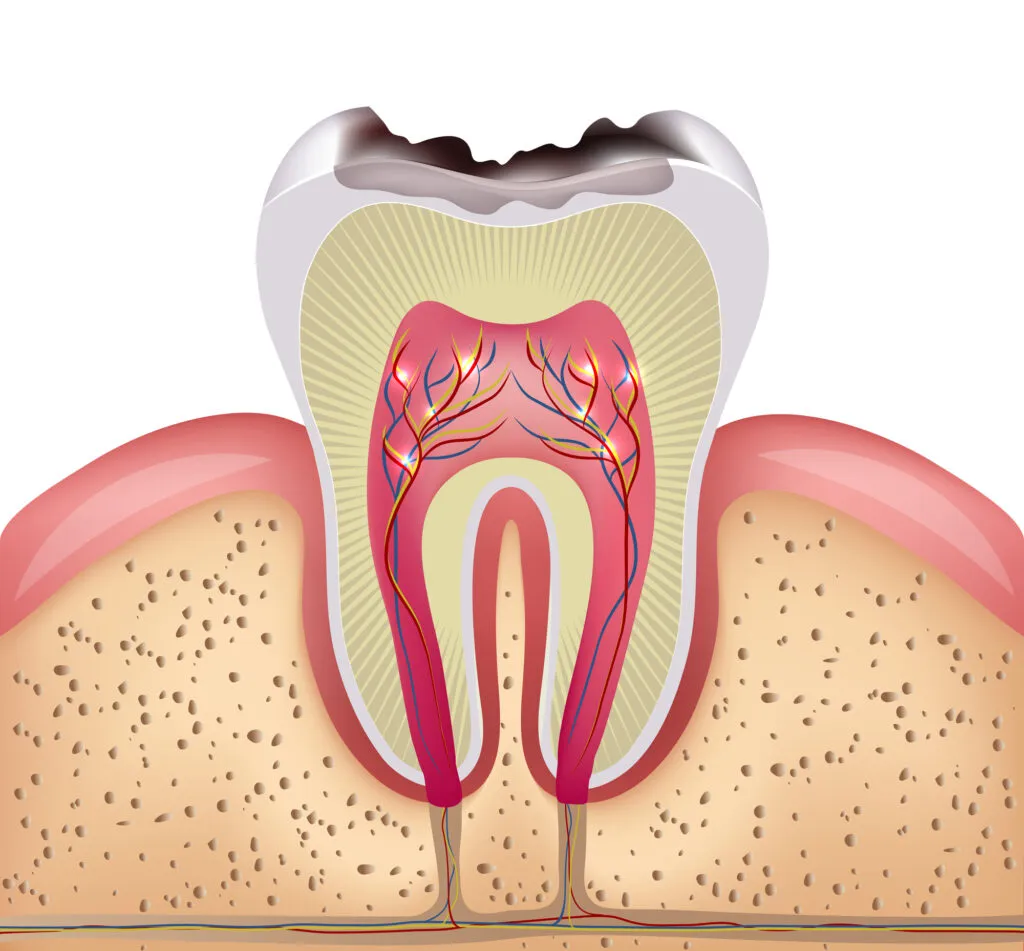
Dental Caries and Gum Disease
Poor oral hygiene is a common trait in alcoholics. In addition, alcohol’s drying effect can contribute to plaque formation.
If plaque remains, tartar and dental caries (cavities) develop over time. If the tartar spreads below the gum line, periodontal disease commonly forms, leading to permanent tooth loss.
Mouth Sores and Oral Cancer
Heavy drinking is the second leading cause of oral cancer in adults. People who have at least four drinks a day are about five times more likely to develop mouth or throat cancer than those who never drink or drink moderately.11
How Do Prescription Medications Affect Oral Health?
Over-the-counter and prescription medications can damage your teeth, leading to problems such as:
- Inflammation
- Bleeding
- Ulcers
Some medications can also lead to hyperplasia, which is a condition that causes gum tissue to grow over your teeth. Examples of these medications include epilepsy medication, blood pressure medications, and calcium channel blockers.
Talk to your doctor or dentist regarding medications that could harm your teeth. Lastly, you shouldn’t stop taking your medications or adjusting your dose without your doctor’s advice.
What Substances Affect Your Oral Health?
People who abuse drugs and similar harmful substances are more likely to develop serious oral health conditions. Some substances that can lead to poor oral health include:
- Tobacco — Cigarettes, chewing tobacco, and cigars
- Alcohol — Beer, wine, and hard liquor
- Natural opiates — Morphine, codeine, and thebaine
- Synthetic opiates — Hydromorphone, hydrocodone, oxycodone, and heroin
- Cannabis — Inhaled cannabis through smoking or vaporization
- Amphetamines — Benzedrine, Adderall, and Dexedrine
- Prescription drugs — Sleeping pills, prescription opioids, amphetamines, ADHD medications, and morphine-based pain relievers
- Illegal drugs — Cocaine, ecstasy, molly, heroin, and other “party drugs”
If you’re addicted to any of the substances above, you may need to consult an addiction specialist to help you stay sober. They can also provide a treatment plan that caters to your needs.
What Are the Oral Health Consequences of Drug Addiction?
Reed also mentioned that cocaine users suffer from ‘Coke Mouth’, where the corrosive effect of the drug combined with teeth grinding leads to significant cavities. Meanwhile, heroin and other opiates can cause severe malnutrition, resulting in weak and decayed teeth.
Additionally, using meth can lead to ‘Meth Mouth’, which is characterized by severe decay, tooth loss, dry mouth, and gum disease. The corrosion is often so intense that it’s challenging to save the affected teeth.
Drug addiction can also result in:
- Bruxism (Teeth Grinding)
- Unhealthy diets and nutritional deficiencies leading to poor oral care
- Plaque and tartar buildup
- Temporomandibular joint dysfunction (TMD)
- Bad breath
- Tooth discoloration and hard-to-remove stains
- Loss of blood flow to roots and gums or silent gum disease
- Oral cancers, such as cancerous ulcers affecting the mouth, throat, and surrounding areas
Some drugs, like cocaine, also weaken the immune system. This increases an addict’s risk of developing oral infections.
Finding Help for Your Addiction
If you or a loved one is suffering from nicotine, alcohol, or drug addiction, seek treatment immediately. In addition to finding an addiction treatment center and mental health facility, you should also address your oral health problems.
Visit a general dentist or dental specialist as soon as possible to explore your treatment options. They can help with the abnormal development of:
- Cavities
- Gum inflammation
- Sensitive teeth
- Unexpected tooth loss
Summary
Drug addiction can lead to detrimental effects on the body, including complications to oral health. The three most notable addictive substances that affect oral health are nicotine, alcohol, and drugs.
Addiction to these substances can lead to minor dental health issues such as dry mouth or tooth discoloration. However, these can progress to more severe illnesses, such as periodontal disease and oral cancer.
Drug dependence must be treated simultaneously with your oral health problems. Doing so can prevent your addiction symptoms and dental complications from worsening.
Effects of Drug Addiction on Oral Health
NewMouth PodcastSources
- “How Does Alcohol Affect Your Oral Health?” Cigna.
- “New Study: Alcohol Consumption Can Have a Negative Impact on Gum Health.” Aegis Dental Network, 2015.
- “Alcohol Use and Your Health.” Centers for Disease Control and Prevention, 2025.
- “Cigarette Smoking..” Centers for Disease Control and Prevention, 2024.
- Saini et al. “Drug Addiction and Periodontal Diseases.” Journal of Indian Society of Periodontology, National Library of Medicine, 2013.
- Shekarchizadeh et al. “Oral Health of Drug Abusers: A Review of Health Effects and Care.” Iranian Journal of Public Health, National Library of Medicine, 2013.
- Priyanka et al. “Impact of Alcohol Dependency on Oral Health – A Cross-Sectional Comparative Study.” Journal Of Clinical And Diagnostic Research, National Library of Medicine, 2017.
- “Youth and Tobacco Use.” Centers for Disease Control and Prevention, 2024.
- Jiang et al. “Tobacco and oral squamous cell carcinoma: A review of carcinogenic pathways.” Tobacco Induced Diseases, National Library of Medicine, 2019.
- “Alcohol and mouth, throat and voice box cancers.” Drink Aware, 2022.
- Murali et al. “Bruxism: Conceptual discussion and review.” Journal of Pharmacy & BioAllied Sciences, National Library of Medicine, 2015.

Experienced general dentist and adjunct professor. Advocates for preventive dentistry and dental education.

Lead content writer and certified nutritionist focusing on clear aligners and teeth whitening.
Related Articles

Medications That Affect Teeth & Gum Health
Certain medications can affect your teeth and gums. Understand the most common oral health conditions caused by medicati...

Effects of Diabetes on Oral Health
Manage your oral health by managing your diabetes. Here are common dental issues associated with diabetes and some tips...

The Effects of Food on Dental Hygiene and Health
Learn how your overall health affects your oral health through nutrition, medications, medical conditions, and more. We...

How Diet Influences Your Oral and Dental Health
Your diet and oral health can greatly impact one another. Find out which foods to avoid and which ones to eat for health...