Teeth Fillings


Reader-supported. We may earn a commission from links on this page. Advertising disclosure.
In this article
Teeth fillings, or dental fillings, are most commonly used to restore teeth with minor to moderate cavities. They keep bacteria and food out of the cavities, preventing further tooth decay.
In some cases, fillings are also used to repair broken, chipped, or worn-down teeth.
What Are the Different Types of Direct Cavity Fillings?
Direct fillings are made inside the mouth during one office visit. For children and adults, you can get fillings from general, family, and pediatric dentists.
There are three main types of direct cavity fillings available. They include:
Composite Fillings
Composite material is a tooth-colored resin. It is the most common restorative material used for cavity fillings, broken teeth, and chipped teeth in the front and back teeth.
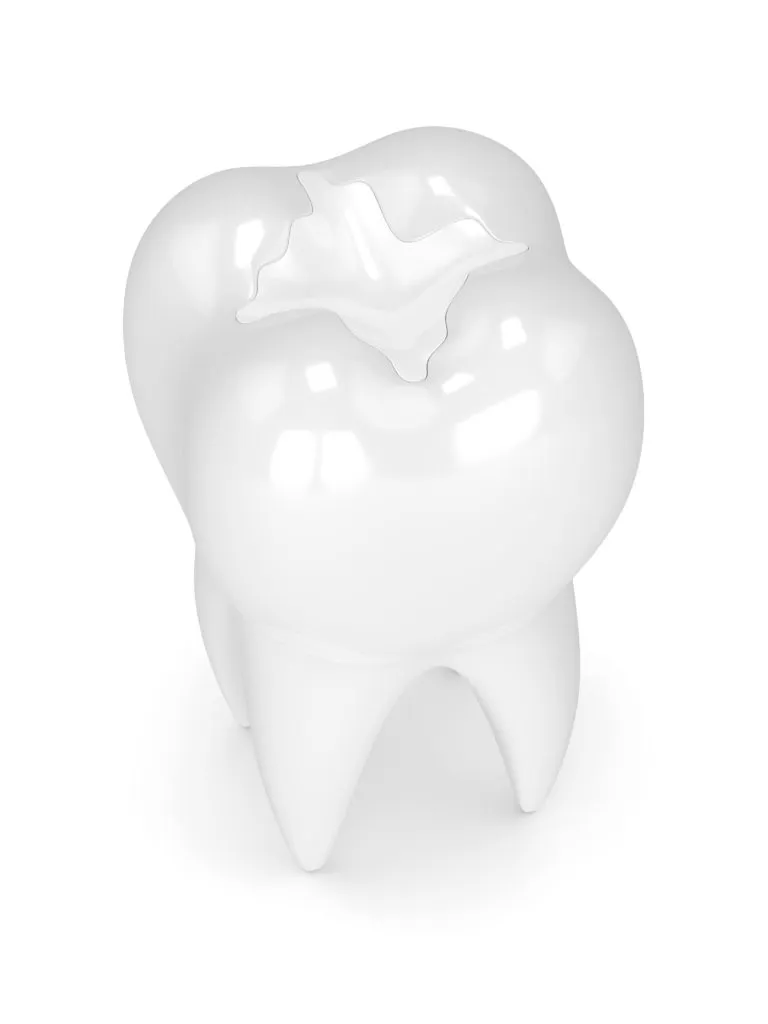
Composite resin is strong, durable, and blends naturally with your tooth color. However, these typically last around 5 to 7 years, though some can last longer with excellent care.
These types of fillings are also more susceptible to cavities than amalgam fillings.
Silver Amalgam Fillings
Silver amalgam fillings are a mixture of mercury combined with silver, tin, and copper. The mercury in dental amalgam combines with other metals to form a biologically stable and strong material considered safe for use in fillings.
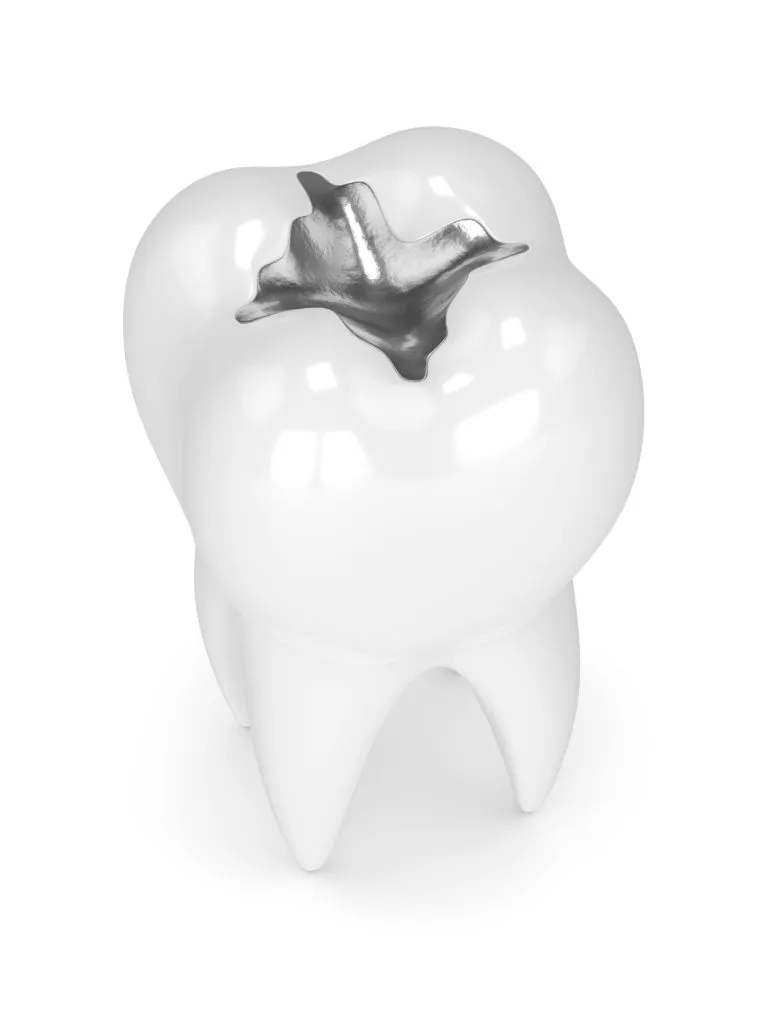
Silver fillings can restore posterior baby and permanent teeth (premolars and molars). These fillings last significantly longer, often 10 to 15 years or more, than composite fillings.
They are also the strongest and cheapest direct fillings on the market today. Unfortunately, they’re visibly silver and may not be aesthetically pleasing.
Glass Ionomer Fillings
There are two types of glass ionomer fillings: conventional glass ionomers (CGIs) and resin-modified glass ionomers (RMGIs).
CGIs are tooth-colored restorations made of polymerizable acids and ion-leachable glass particles. They also release fluoride to help prevent future cavities.
RMGIs are similar to CGIs but with more strength due to added resin. They can be used to restore primary or baby teeth.
Unfortunately, CGIs aren’t as durable as amalgam or composite fillings. Meanwhile, RMGIs aren’t as aesthetically pleasing or versatile as other fillings.
What Are the Different Types of Indirect Cavity Fillings?
Indirect cavity fillings are made outside the mouth, typically in a dental laboratory. They are custom-made for a person’s needs.
This often depends on the amount of tooth structure remaining and the severity of the decay. Common types of indirect fillings include dental inlays and onlays.
Indirect fillings restore cavities that are too large for a simple cavity filling. They also take two office visits to complete. Types of indirect fillings include:
- Porcelain cavity fillings — These are durable, strong, and natural-looking fillings lasting up to 30 years. However, porcelain can be abrasive and potentially cause wear on opposing natural teeth, especially if the filling’s surface is rough or not polished properly.
- Gold cavity fillings — Gold fillings are one of the strongest indirect cavity fillings available. However, they are also the most expensive type of filling. Gold fillings typically cause less sensitivity to heat and cold compared to amalgam or composite fillings.
What Kinds of Cavities do Fillings treat?
Different types of cavities may require teeth fillings, including:
- Class I — Develops in the biting surfaces of posterior (back) teeth.
- Class II — Develops between the back teeth, including premolars and molars.
- Class III — Develops between the anterior (front) teeth.
- Class IV — Develops between the anterior teeth and involves the incisal edge.
- Class V — Forms on the gum line of both front and back teeth.
- Class VI — Forms on the cusp tips of premolars, molars, and the biting edges of incisors and canines (front teeth).
Front tooth cavities are treated like any other cavity. However, dentists usually use porcelain or composite resin to mimic natural teeth.
On the other hand, back tooth cavities can also be restored with amalgam or metal fillings, as the back teeth are responsible for heavy-duty chewing and are less visible than front teeth.
How to Take Care of Tooth Fillings
Once you have your fillings, it’s important to take care of your teeth to avoid further damage. Here are a few things you can do to maintain your teeth fillings:
- Brush your teeth twice a day with a fluoridated toothpaste.
- Floss at least once a day.
- Avoid sugary foods or drinks.
- Avoid biting hard substances or objects.
- Limit staining beverages like tea, coffee, and red wine, or sugary and alcoholic drinks.
- Visit your dentist regularly.
Common Issues Associated With Teeth Fillings
Although teeth fillings don’t usually cause problems, certain issues can develop. For one, you might experience some tooth sensitivity after treatment.
Some people may feel pain when biting, and toothaches can happen in cases of deep cavities. You may also feel pain or sensitivity in other teeth.
Another issue to look out for is allergies. Speak to your dentist about any allergies before getting fillings.
When Should You Replace Your Fillings?
Depending on the material, tooth fillings can last from around 5 years to well over a decade. However, they don’t last forever. Teeth fillings can wear over time due to chewing, food particles, and bacteria.
Here are signs that your fillings need to be replaced:
- Cracked fillings
- Toothache
- Tooth sensitivity
- Discoloration
- Injury or trauma
- Old fillings that no longer have a good seal
Talk to your dentist if you see any of these signs.
How Much Do Teeth Fillings Cost?
The cost of a cavity filling depends on the type of filling and the dentist’s location. Since fillings are used to treat cavities or trauma-related dental conditions, part or most of the procedure is covered by dental insurance.
The prices below reflect the cost of a cavity filling without insurance:
- Silver amalgam filling — $50-$200 (per tooth)
- Composite filling — $90-$300 (per tooth)
- Glass ionomers — $90-$300 (per tooth)
- Indirect gold or porcelain filling — $500-$4,500 (per tooth)
Sources
- Hollins, C. “Basic Guide to Dental Procedures.” John Wiley & Sons, Inc., 2015.
- Syrbu, J. “The Complete Pre-Dental Guide to Modern Dentistry.” 2013.
- Rathee M. & Sapra A. “Dental Caries.” Treasure Island (FL): StatPearls Publishing, 2023.
- “Porcelain Fillings.” UKhealthcentre.org.
- “Gold Fillings.” UKhealthcentre.org.
- “Oral Health Tips for Children.” Centers for Disease Control and Prevention, 2024.
- “The Tooth Decay Process: How to Reverse It and Avoid a Cavity.” National Institute of Dental and Craniofacial Research, 2025.
- Hennessy, B. “Cavities (Dental Caries).” Texas A&M University, College of Dentistry, 2022.
- Fernandes et al. ”The longevity of restorations — a literature review.” SADJ, 2015.
- Kirsch et al. “Decision criteria for replacement of fillings: a retrospective study.” Clinical and experimental dental research, 2016.

UCLA-trained dentist practicing in public health. Focuses on whole-body approach to dental care.

Lead content writer and certified nutritionist focusing on clear aligners and teeth whitening.
Related Articles

The 7 Symptoms of a Cavity
A cavity is a small hole in your tooth that can be caused by decay. Read about cavities, including their causes, signs,...

Root Canal Procedure
A root canal removes infected dental pulp to save a damaged tooth. Here are the typical steps, aftercare tips, costs, an...

General Dentistry: Common Treatments & Procedures
General dentists are the most common dental providers, offering oral surgery, restorative services, and preventive care....

Dental Anesthesia
Dental anesthesia eliminates pain and reduces anxiety during procedures. Here are the three types, their benefits, and p...