What Is Restorative Dentistry?


Reader-supported. We may earn a commission from links on this page. Advertising disclosure.
In this article
Key Takeaways
- Restorative dentistry focuses on repairing damaged or missing teeth to improve dental health and restore chewing functions.
- Restorative dentistry aims to save teeth and restore their natural look, shape, and feel.
- Certain restoration treatments are more appropriate for some situations than others.
- Your dentist can help you determine the treatment that best suits your needs.
What is a Dental Restoration?
Restorative dental procedures can save teeth and restore their natural look, shape, and feel by:
- Repairing damage from inadequate dental fillings or bonding treatment
- Restoring missing parts of tooth structure with indirect or direct restorations, such as inlays, onlays, crowns, or fillings
- Replacing missing teeth entirely with artificial restorations, such as implants, bridges, or dentures
Restorative dentistry is a branch of dentistry that focuses on replacing damaged or missing teeth. This is done to improve overall dental health and restore chewing function.
8 Most Common Types of Dental Restorations
Restorative dentistry incorporates treatments from other dental fields. Each treatment type uses common restoration materials differently.
These include:
Many people need multifaceted care, which may require treatment from more than one specialist. “It’s important to discuss your specific case with your dentist to determine which one is the best for you,” says Dr. Aggarwal.
1. Fillings
Dental fillings are often used to fill cavities or holes after root canal treatment. They can also be applied to restore worn teeth or fill in gaps between teeth. Fillings can be made from amalgam (a metal alloy) or materials such as composite resin and glass ionomer.
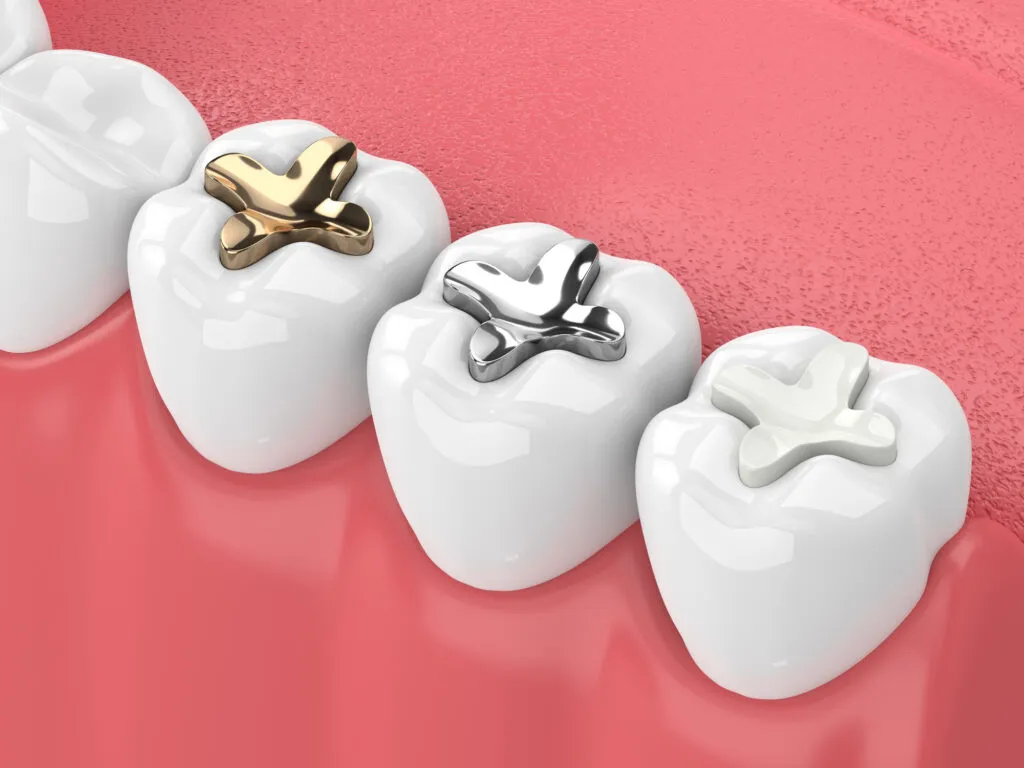
Amalgam materials have a metallic color. Meanwhile, composite resin and glass ionomers can be white or tooth-colored. Some benefits of fillings include:
- Less invasive
- Cheaper
- Less time-consuming
Over time, however, fillings risk staining or fracture. Dr. Aggarwal notes that fillings “cannot replace large amounts of missing or decayed tooth structure.”
2. Crowns
Dental crowns are tooth-colored or metal restorations. They replace substantial missing tooth structures caused by root canals, dental decay, or fractures. Crowns also serve as full-coverage “caps” that restore a tooth’s normal size, shape, and function.
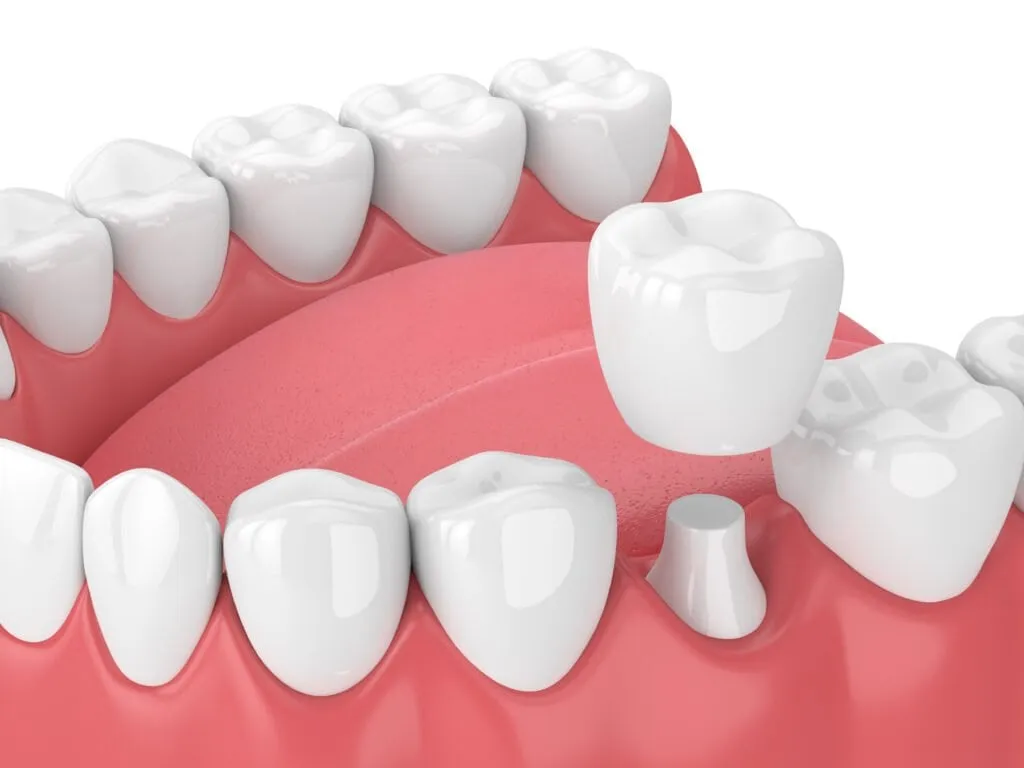
A full crown will cover your natural tooth. To ensure a proper fit, a dental professional must carefully shape the underlying tooth. According to Dr. Aggarwal, full crowns provide a more homogeneous appearance, making them a highly esthetic option for front teeth.
There are several factors a dentist will consider before determining someone’s candidacy for a dental crown. These factors include but are not limited to:
- The function of the tooth
- The location of the tooth
- Gum tissue positioning
- The color of the surrounding teeth
- Overall dental and general health
3. Veneers
Veneers are layers of dental resin or ceramic placed over existing teeth. As Dr. Aggarwal explains, veneers require “minimal removal of tooth structure” while providing an improved esthetic appearance.
While the low invasiveness of veneers can be attractive, they are more prone to damage than other treatments since they are so fragile. Additionally, veneers may require multiple appointments to complete. They are also more expensive, and insurance might not cover their costs.
4. Bridges
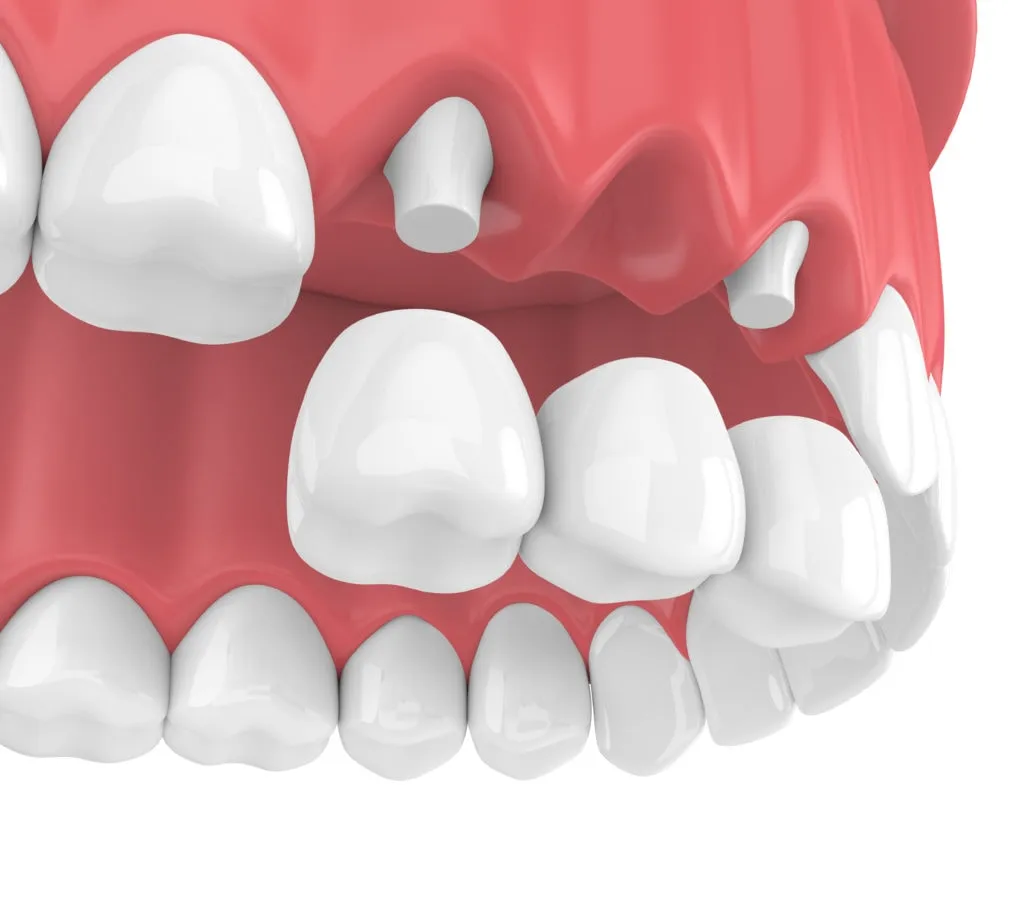
Dental bridges are fixed dental restorations that replace missing teeth. They attach one or more artificial teeth or a dental implant to existing teeth.
Dental bridges can be made of the following materials:
- Gold
- Stainless steel
- Ceramic
- Porcelain
Like veneers, bridges may require multiple appointments and are more costly than fillings or crowns. They may also require extensive tooth preparation.
5. Implants
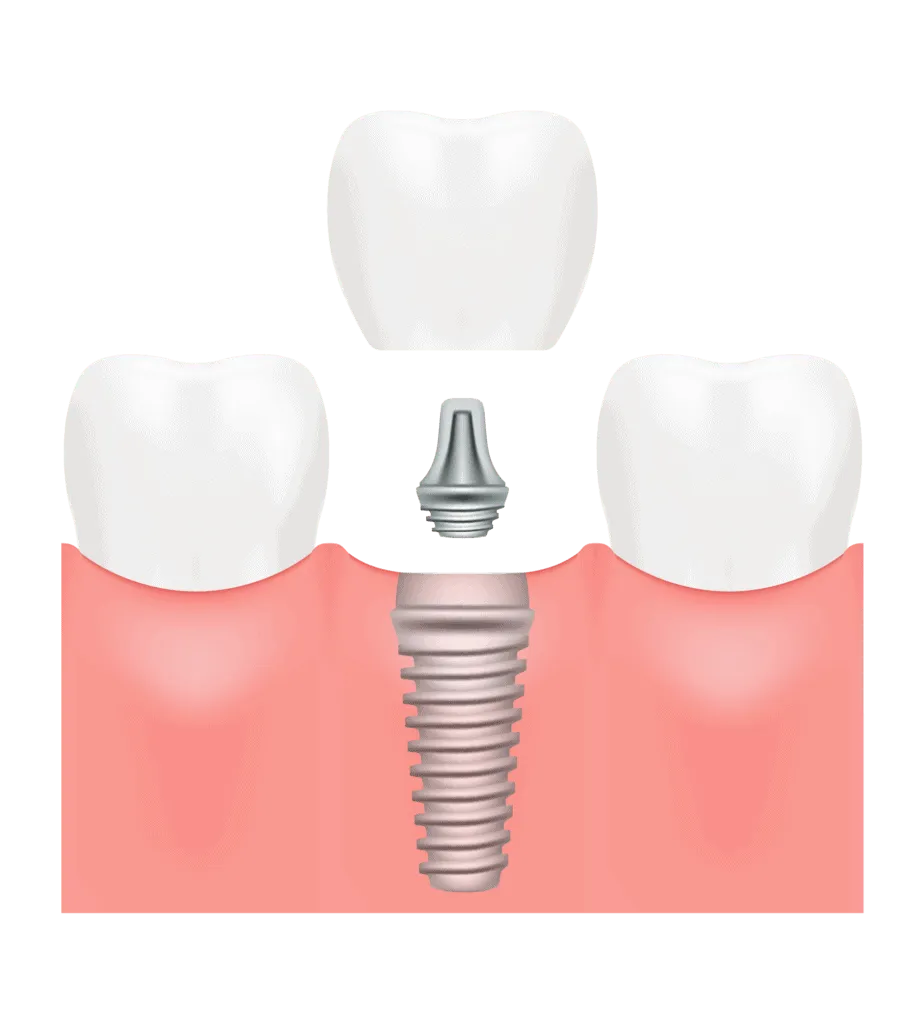
A dental implant acts as a kind of prosthetic tooth root, fitting into the jawbone to provide support for a crown or bridge. The most common dental implant is a titanium screw designed to integrate with the surrounding bone.
Implants provide long-lasting and natural-looking replacements for missing teeth. They are more invasive than other restoration methods, however, because they have to be placed via surgery.
While implants are more durable, they can fail to integrate. Implants require excellent oral hygiene to prevent failure, according to Dr. Aggarwal, as implants are at risk for gum disease just as regular teeth are.
6. Inlays and Onlays
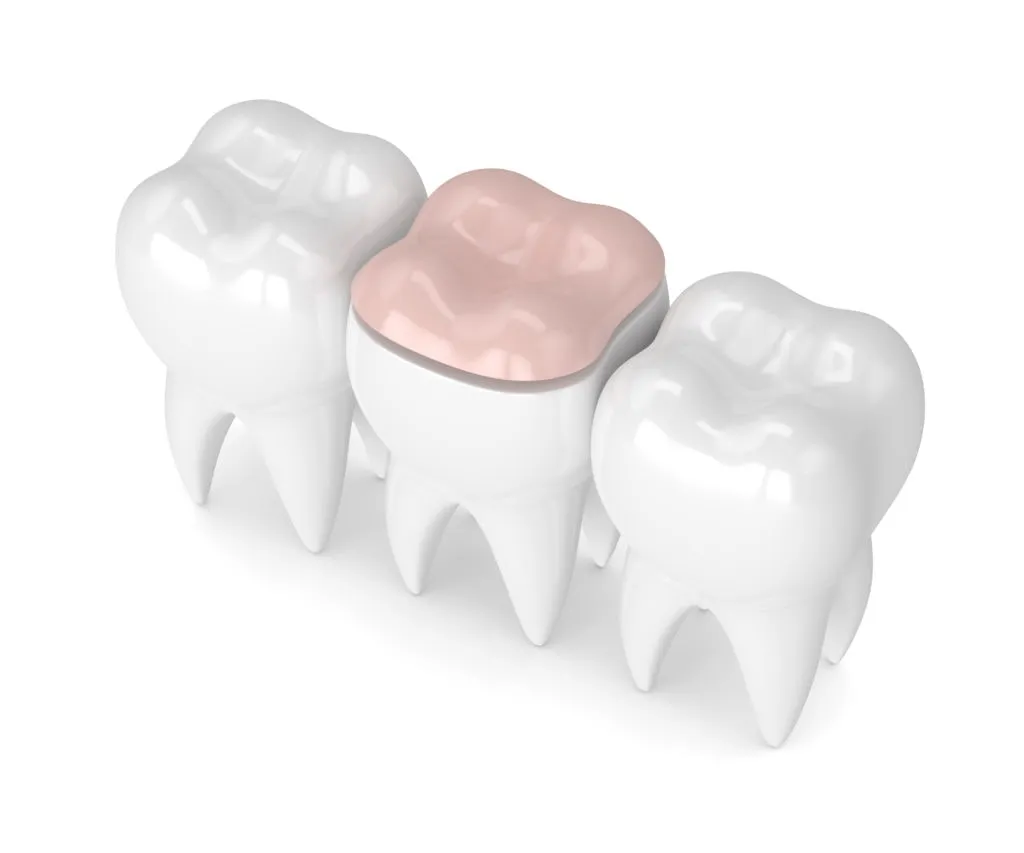
Inlays and onlays are partial tooth-colored or gold restorations that restore smaller areas of missing or damaged tooth structure. Inlays and onlays are slightly less invasive than crowns and consist of indirect restorative materials. In other words, dental lab technicians make the restorations outside the mouth.
7. Dental Bonding
Bonding procedures incorporate composite resins (tooth-colored fillings made of glass and plastic). Dental bonding is typically used to:
- Fill cavities
- Repair cracked or chipped teeth
- Cover discolored teeth
- Fill small gaps between teeth
Depending on your needs, three different dental bonding treatments are available. These include:
- Indirect dental bonding
- Composite veneer bonding
- Composite bonding
Dental bonding can also be useful for people with diastemas.
8. Dentures
Dentures are removable or fixed prosthetic teeth that replace multiple missing teeth. Custom complete dentures are a standard solution when someone loses all of their teeth, usually from advanced dental decay or gum disease.
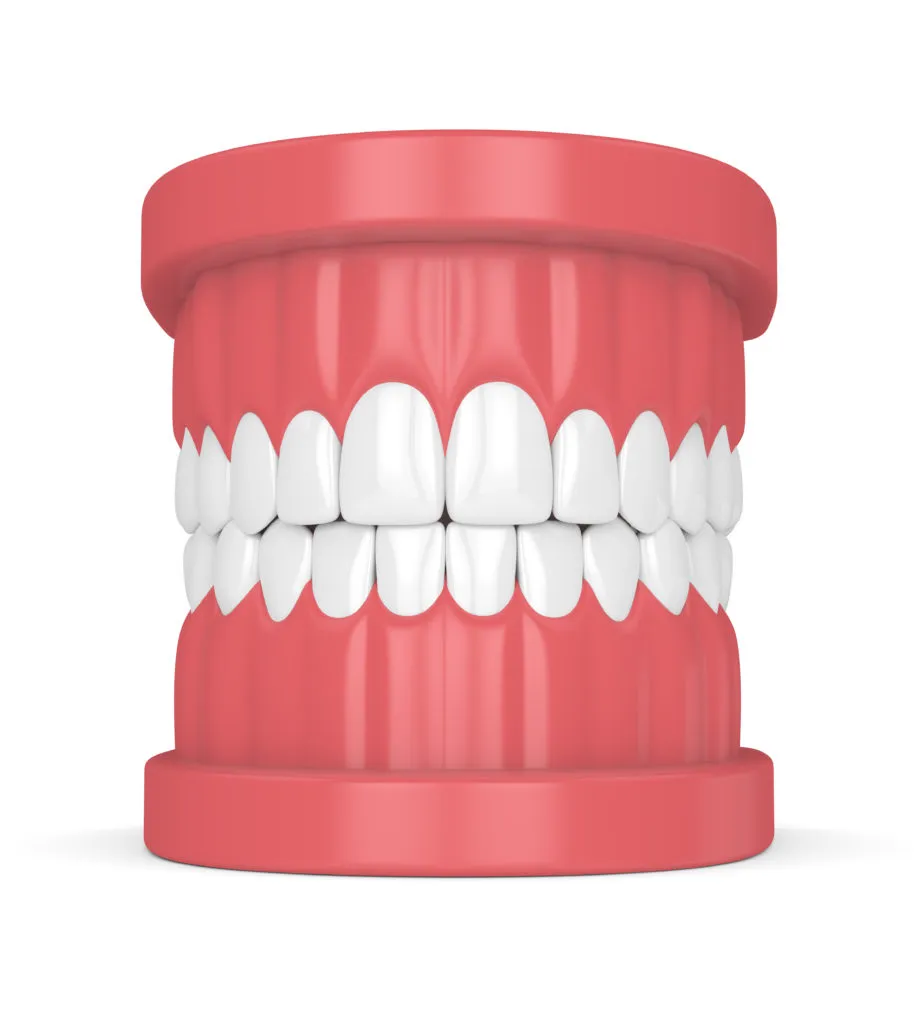
Depending on the person, there are five different types of dentures to choose from. These include:
- Complete dentures
- Fixed partial dentures
- Removable partial dentures
- Implant-retained dentures
- Immediate dentures
When is a Dental Restoration Necessary?
You might need a dental restoration for several reasons, according to Dr. Khushbu Aggarwal, one of NewMouth’s in-house dentists. Some of the most common reasons include:
- Tooth decay (cavities)
- Trauma, such as from an injury or excessive bruxism (tooth grinding)
- Defects or aesthetic issues with tooth structure, size, shape, or color
- To protect the inner part of the tooth after root canal therapy
- To prevent a tooth fracture from becoming worse
- Malocclusions (issues with bite)
What are the Risks of Restorative Dentistry?
The most common risk is sensitivity and general discomfort after the procedure. It’s rare to get an infection or allergic reaction to the metals used.
Dental restorations have very few risks. However, there are a few instances that can cause potential problems.
Dental crowns can get loose or chipped, and fillings can crack. It’s also possible for the procedure to fail and leave gaps in the filling, which can accumulate food debris and plaque. This can lead to tooth decay.
Restorative Dental Materials
Various restorative dental materials can be used to make fillings, crowns, implants, dentures, and other restorations.
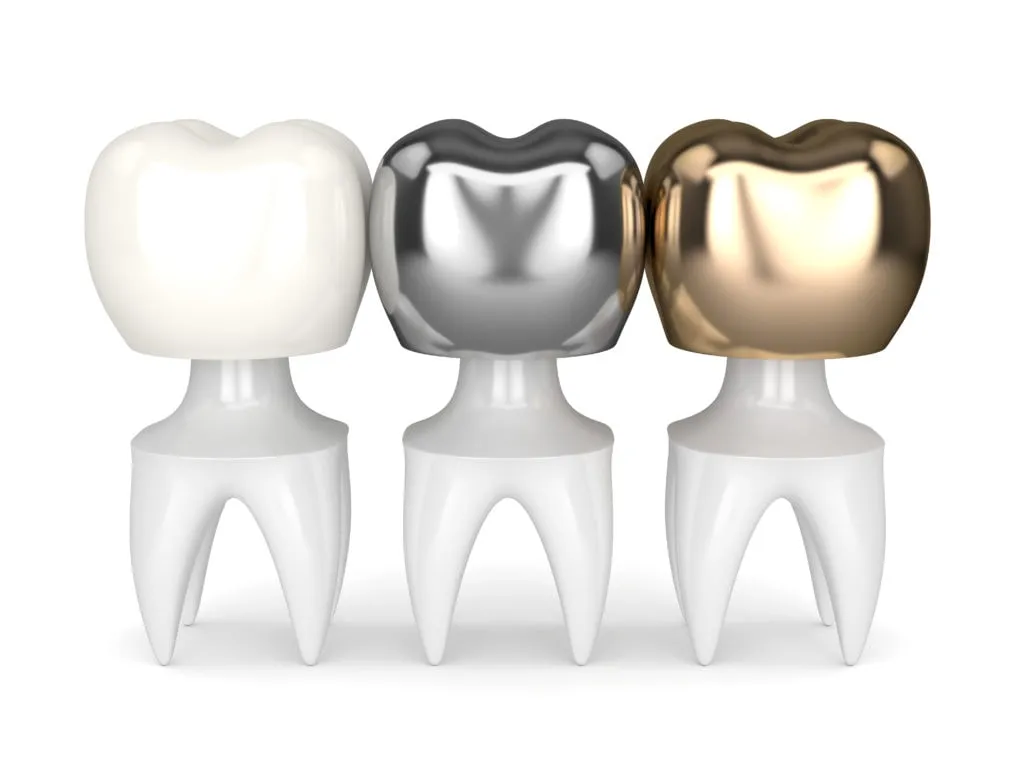
Common materials include:
- Metals
- Amalgam Alloys
- Polymers
- Ceramics
- Composites
- Glass Ionomers
- Denture Base Resins
- Noble and Base Metals
How to Care for Dental Restorations
No matter what type of dental restoration you have, good oral hygiene and a healthy diet are paramount for preventing tooth decay and gum disease.
Dr. Aggarwal also advises avoiding habits that can fracture new restorations, such as opening bottles with your teeth. Different types of restorations come with their own aftercare requirements.
“For example, bridges require a special type of floss to adequately clean under the prosthetic tooth,” Dr. Aggarwal says. ” In contrast, single-unit crowns can be flossed just like a regular tooth.” Ask your dentist for aftercare instructions that are specific to your situation.
Restorative vs. Cosmetic Dentistry
Cosmetic and restorative dentistry use some of the same materials and procedure codes. However, it’s considered restorative if a disease requires treatment. Even if the result improves appearance, it’s still a restorative procedure.
Additionally, cosmetic (esthetic) dental procedures can help improve a person’s smile and self-image. Examples of esthetic treatments include veneers and teeth whitening.
These treatments are considered cosmetic because they are elective and not medically necessary. Instead, they are solely used to improve appearance.
Does Insurance cover Dental Restorations?
Many restorative dental procedures aren’t considered medically necessary. Therefore, they typically aren’t covered by insurance.
However, your insurance might cover some of the cost if the procedure is medically necessary. Talk to your insurance provider if you want to know more about your dental coverage.
Restorative Dentistry Cost
| Procedure | Cost |
|---|---|
| Dental fillings | $150 to $1,100 per tooth |
| Dental crowns | $800 to $3,000 |
| Veneers | $400 to $1,800 |
| Dental bridges | $1,500 to $5,000 |
| Dental implants | $1,000 to $90,000 |
| Inlays and onlays | $250 to $1500 |
| Dental bondings | $300 to $600 per tooth |
| Dentures | $1000 to $ 5000 |
5 Types of Dental Restorations Pros Cons and Costs
NewMouth PodcastRestorative Dentistry Types of Procedures and Materials
NewMouth PodcastSources
- “The Million Dollar Smile, Changing Lives with Cosmetic Dentistry.” Blue Ocean Publishing Group, 2018.
- Dofka, C. “Dental Terminology.” Delmar, Cengage Learning, 2013.
- “LASERS IN RESTORATIVE DENTISTRY: a Practical Guide.” SPRINGER-VERLAG BERLIN AN, 2016.
- Rinzler, C.” The Encyclopedia of Cosmetic and Plastic Surgery.” Facts On File, 2009.
- Sakaguchi et al. “Restorative Dental Materials.” Elsevier, 2019.
- Butterworth et al. “Restorative dentistry and oral rehabilitation: United Kingdom National Multidisciplinary Guidelines.” The Journal of Laryngology and Otology, 2016.
- Schwendicke et al. “Managing Carious Lesions: Consensus Recommendations on Carious Tissue Removal.” Advances in Dental Research, 2016.
- Jacobs et al. "Crowns and extra-coronal restorations:Considerations when planning treatment." British Dental Journal, 2002.

UCLA-trained dentist practicing in public health. Focuses on whole-body approach to dental care.

Experienced dental health writer dedicated to providing accurate, accessible information.
Related Articles

Full Mouth Reconstruction - Options and Costs
Full mouth reconstructions involve a combination of dental procedures to restore your teeth and gums. Here's what you ne...
What to Know About Dental Crowns
What are dental crowns, and when they're necessary? Our article covers everything from types of dental crowns to the pro...

How to Replace a Missing Tooth on a Budget
Replacing a missing tooth may seem costly or inconvenient. But it's important to do it as soon as possible. In fact, wai...

How to Fix Loose Dentures
What Causes Loose Dentures? Loose dentures aren't just uncomfortable. They generally signal an underlying problem that w...