Emergency Tooth Extraction


Reader-supported. We may earn a commission from links on this page. Advertising disclosure.
In this article
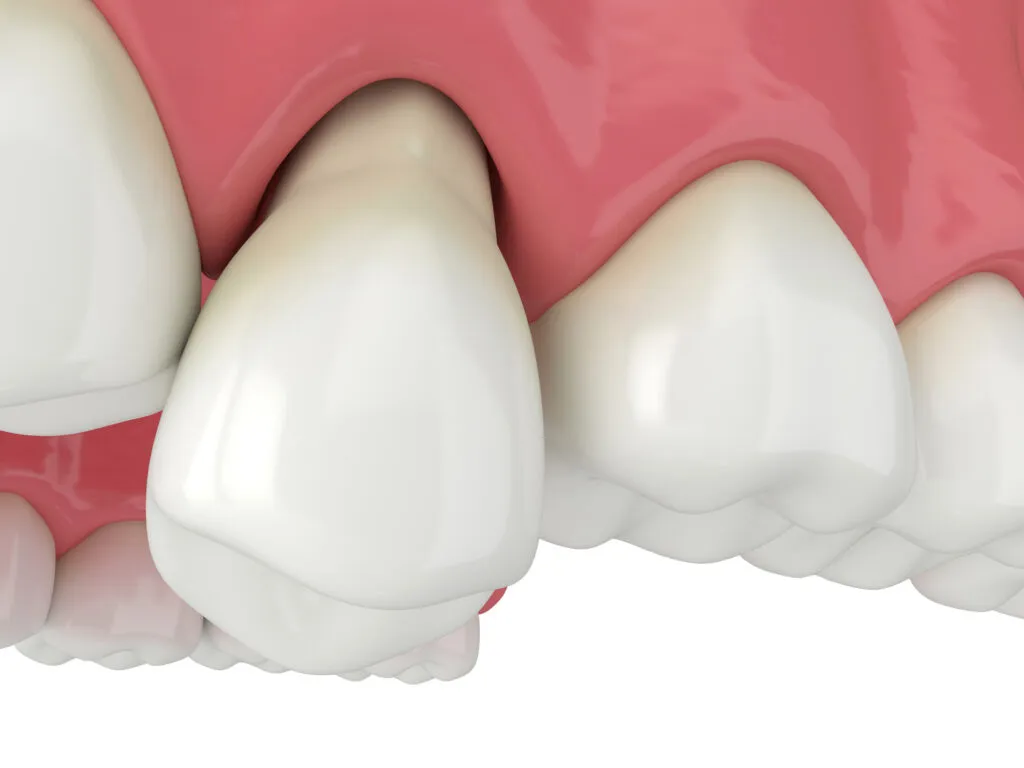
If your toothache is causing severe pain, you may wonder if you need emergency dental care or if you should schedule an appointment with your dentist. Here we list common reasons for emergency tooth extractions and what you can expect when having a tooth removed.
Signs You Need Emergency Dental Care
If you are experiencing any of the following symptoms, you may need emergency dental care:
- Severe sensitivity or pain in your teeth or gums
- Swelling of the cheek, throat, or eye
- Loose teeth
- White fluid or pus in your mouth
- Discoloration or darkening of your teeth
Contact your dentist immediately if you have any of the above symptoms. If they aren’t available, search for an emergency dentist in your area or visit an emergency room.
Why Might You Need an Emergency Tooth Extraction?
The most common reasons for emergency tooth extractions are:
Trauma
Trauma to a tooth may result in it having to be extracted. Typical causes of dental trauma include:
- Sports injuries or fights
- Car, motorcycle, and bicycle accidents
- Biting down on hard foods
- Falls
Dental trauma often results in minor problems such as chipped or cracked teeth. However, more severe trauma may require an emergency tooth extraction, especially if it causes severe pain.
Infections
Infections occur when bacteria get inside your tooth or gum tissue and typically need emergency dental dental treatment. The causes of dental infections include:
- Tooth decay
- Broken or cracked teeth
- Impacted teeth
- Failed root canals
A non-salvageable tooth will have to be removed for your safety and health. Additionally, the bacteria that cause cavities can eventually make their way into the pulp at the tooth’s center.
Contact a dentist if you have symptoms of a dental or gum infection, such as:
- Severe throbbing pain (which may spread to your jaw, cheek, head, or neck)
- Fever
- Swelling
- Extreme tooth sensitivity
- Difficulty breathing or swallowing
What to Expect at an Emergency Tooth Extraction
There are three types of emergency tooth extractions:
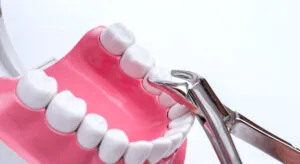
- Simple extractions — can be performed if the tooth is visible above the gum line and can be grasped and removed by forceps.
- Surgical extractions — are performed when part of the gum tissue or bone surrounding the tooth needs to be removed. The tooth may need to be surgically sectioned to remove it.
- Wisdom tooth extractions — are performed when wisdom teeth are impacted or could potentially cause other dental health problems. These extractions can be simple but are often surgical.
Emergency Tooth Extraction Procedure
The procedure will vary depending on the condition and location of the affected teeth, your overall health, and the dentist or oral surgeon’s approach to treatment. However, most emergency tooth extractions will follow the same steps:
- Anesthesia — A local anesthetic will be injected into the area surrounding your teeth. If you need a surgical extraction or have dental anxiety, you may require conscious sedation.
- Preparing for removal (simple) — For a simple extraction, your dentist will use tools to apply pressure to the tooth from different directions, widening the tooth socket and making removal easier.
- Preparing for removal (surgical) — For a surgical extraction, your dentist will need to cut into the gum tissue surrounding the tooth. They may section the tooth into two or more pieces for easier removal.
- Removing the tooth — Your dentist will then use the forceps to grasp the tooth and rock it back and forth. They may also rotate the tooth to separate it from its ligaments. If the tooth is sectioned, they will do this one piece at a time.
- Stitches — Once the tooth is removed, the doctor may place one or two stitches to close the wound.
- Recovery — You may experience pain and swelling for the next few days. Your dentist may recommend over-the-counter pain medication or write you a prescription. Be sure to follow their instructions for recovery.
How Much Does an Emergency Tooth Extraction Cost?
The cost of an emergency tooth extraction will vary depending on the tooth’s location, type of extraction, location of your dentist, and your dental insurance plan.
Here are the typical costs:
| Type of Extraction | Cost (per tooth) |
|---|---|
| Simple Extraction | $75 to $250 |
| Surgical Extraction | $180 to $550 |
| Wisdom Tooth Extraction | $120 to $800 |
Where to Find Emergency Dental Care
If possible, you should contact your general dentist first. They will likely have time between scheduled appointments to provide emergency care. Alternatively, they may refer you to another dentist or oral surgeon.
If your regular dentist isn’t available, call an emergency dentist in your area. The dental office or referral specialist can help determine if your case is an emergency.
Depending on your location, you may not have any 24-hour emergency dentists nearby. Visit the nearest emergency room.
Summary
An injury or infection to a tooth can sometimes require emergency extraction. Your dentist may be able to perform an extraction, especially a simple (non-surgical) extraction. They can also refer you to an available oral surgeon for a same-day appointment.
However, sometimes dental emergencies happen outside of normal business hours. If you need to make an emergency appointment and your dentist isn’t available, look online for an emergency dentist in your area or contact a hospital.
Emergency Tooth Extraction
NewMouth PodcastSources
- “Tooth Extraction: Simple vs. Surgical Tooth Removal.” American Association of Oral and Maxillofacial Surgeons, 2019.
- “ADA Guide to Extractions – Tooth and Remnants.” American Dental Association, 2019.
- Passarelli et al. “Reasons for Tooth Extractions and Related Risk Factors in Adult Patients: A Cohort Study.” International Journal of Environmental Research and Public Health, 2020.
- Broers et al. "Reasons for Tooth Removal in Adults: A Systematic Review." International Dental Journal, 2022.
- Akinbami, B., and Godspower, T. “Dry Socket: Incidence, Clinical Features, and Predisposing Factors.” International Journal of Dentistry, 2014.
- Al-Khateeb, T., and Alnahar, A. “Pain Experience After Simple Tooth Extraction.” Journal of Oral and Maxillofacial Surgery, 2008.
- Friedlich, J., and Blanas, N. “Management of Post-Surgical Pain.” Journal of the Canadian Dental Association, 2013.
- Erazo, D., and Whetstone D. “Dental Infections.” StatPearls, 2020.

Licensed dental specialist focusing on personalized dental content writing and blogging.

Experienced dental health writer dedicated to providing accurate, accessible information.
Related Articles

Are Teeth Naturally Yellow?
The natural color of teeth tends to range from white to light yellow. This is because of two layers of dental tissue: en...

Composite Fillings - Pros, Cons, Costs & Pictures
Composite fillings are tooth-colored restorations for cavities. Here are their pros and cons, how long they last, and ho...

Best Toothpastes for Sensitive Teeth in 2026
The best toothpaste for sensitive teeth depends on what is causing the pain. Here are the top 2026 picks for fast relief...
What to Know About Dental Crowns
What are dental crowns, and when they're necessary? Our article covers everything from types of dental crowns to the pro...