What You Need to Know About Dental Bonding


Reader-supported. We may earn a commission from links on this page. Advertising disclosure.
In this article
What is Dental Bonding?
Dental bonding is the most affordable restorative treatment option for chipped, cracked, or damaged teeth. It lasts up to 8 years, depending on your bite, eating and chewing habits, and personal oral hygiene care.
Bonding is one of the most popular restorative treatment options for adults because it is painless and completed within one to two office visits. Dental bonds are also non-invasive, which means almost all patients qualify for treatment.
In a survey conducted by the American Academy of Cosmetic Dentistry (AACD), bonding was the second most common dental procedure patients received in 2015 (74 percent).
Why Should You Get Dental Bonding?
Dental bonding can treat a variety of different minor dental issues, including:
- Fix cracked, chipped, and damaged teeth
- Change the shape of teeth
- Close small gaps or spaces between teeth
- Improve the appearance of discolored teeth
- Relieve pain from exposed tooth roots due to gum recession
- Fill a tooth cavity instead of using amalgam fillings
Other treatment options, such as dental crowns and porcelain veneers, are more expensive and invasive than bonding treatment.
If you have just a few gaps between your teeth, you can skip clear aligners or braces altogether and get bonding treatment.
How Much Does Dental Bonding Cost?
The cost of dental bonding depends on the severity of the condition and how many teeth need treatment. Many standard dental insurance plans cover most of the cost of treatment, especially when it is used to fill a cavity.
The prices below reflect the cost of dental bonding treatment without insurance:
| Direct composite dental bonding | $300-$600 (per tooth) |
|---|---|
| Direct composite veneer bonding | $250-$1,500 (per tooth) |
| Indirect dental bonding (inlays) | $650-$1,200 (per tooth) |
Side Effects of Dental Bonding
While dental bonding doesn’t have any major risks, there may be some minor side effects. These include:
- Discomfort
- Soreness
- Tooth sensitivity
- Bleeding gums
- Tooth irritation
Teeth that have dental bonds are also more susceptible to chips and stains than other dental restorations.
Aftercare & Maintenance for Dental Bonding
With proper care, dental bonds can last up to 8 years.
Here are some aftercare tips for dental bonds:
- Cut down on red wine, coffee, tea, and dark fruits that can stain teeth or cause discoloration
- For smokers, dentists recommend quitting altogether (it also increases the risk of oral cancer and gum disease)
- Avoid biting nails or chewing on hard foods and objects, such as raw carrots, pencils, and ice cubes
- Wear a protective night guard if you clench or grind your teeth
3 Types of Dental Bonding Treatments
Here are the different types of dental bonding treatments:
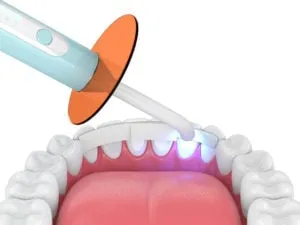
1. Direct Dental Bonding or Composite Dental Bonding
Direct dental bonding quickly fixes chipped or decayed teeth during one office visit. It restores the shape, function, look, and color of your natural teeth.
Composite dental bonding involves placing tooth-colored restorations, also called fillings, on a tooth or multiple teeth.
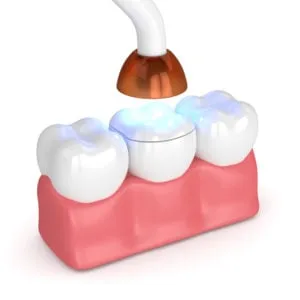
A special adhesive and tooth-colored composite resin material are used during the procedure. The materials are bonded to your teeth using a high-intensity curing light. The restoration is then smoothed and polished. Only one appointment is needed for direct dental bonding.
2. Composite Veneer Bonding
Composite veneer bonding is generally considered a cosmetic treatment, which means it is elective and not covered by insurance.
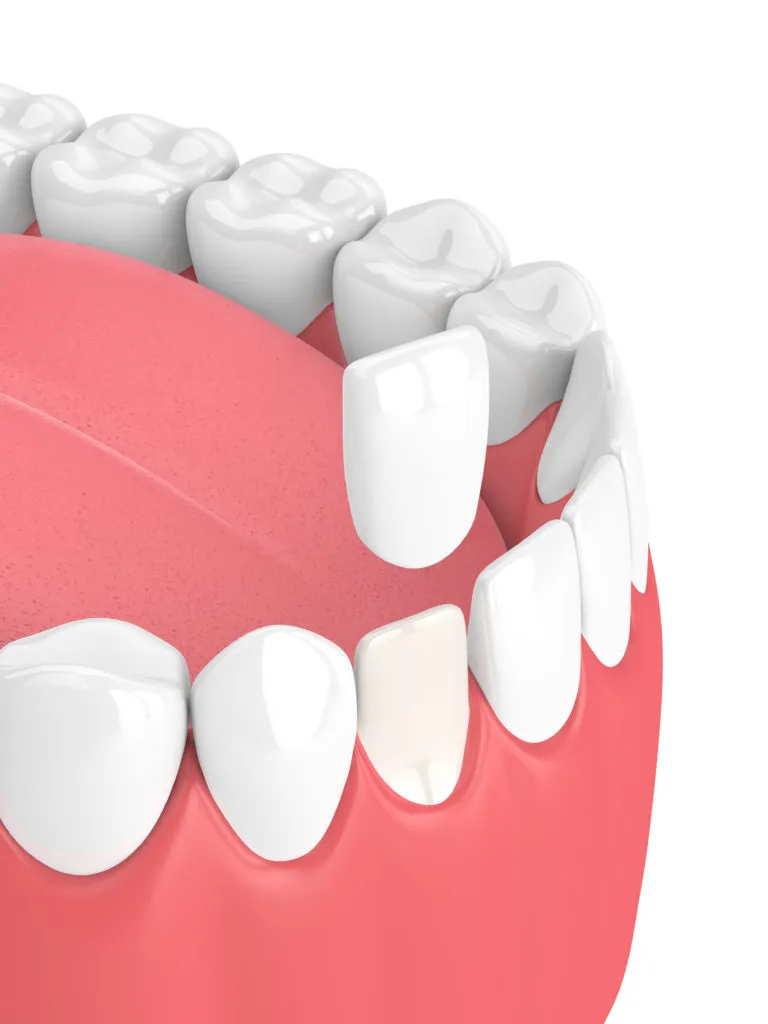
Composite veneer bonding changes the shape, color, and size of teeth. It can also close gaps and change the length of your teeth. Composite bonds can last up to 8 years with proper care.
During composite veneer bonding, your dentist will first clean the area around the tooth. Next, a thin layer of adhesive is applied to the tooth surface.
Your dentist will use adhesive to place composite material over the tooth. The material is hardened using a special curing light. You can choose from several shades of composite resins for your new smile.
3. Indirect Dental Bonding
Indirect dental bonding is a restorative treatment that restores broken or decayed teeth.
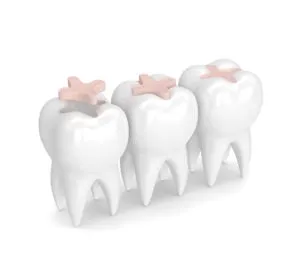
The procedure is separated into two appointments:
During the first appointment, your dentist will make a mold of the damaged or decaying tooth. Then, the mold is sent to a dental laboratory, where an indirect filling or dental inlay is created.
Indirect inlays and fillings are both made of composite resin materials. They are strong and durable because lab technicians use high heat to cure the restorations.
After the indirect restoration is made, you will visit your dentist again. During the second appointment, your dentist will bond the filling or inlay to your tooth.
Dental Bonding Alternatives
Porcelain veneers, dental implants, and crowns can achieve similar cosmetic results with greater durability than bonding:
Porcelain Veneers
Porcelain veneers are tooth-colored shells that fit over the front of your teeth. They change the shape, color, and size of teeth. They can also fix chipped, cracked, or damaged teeth.
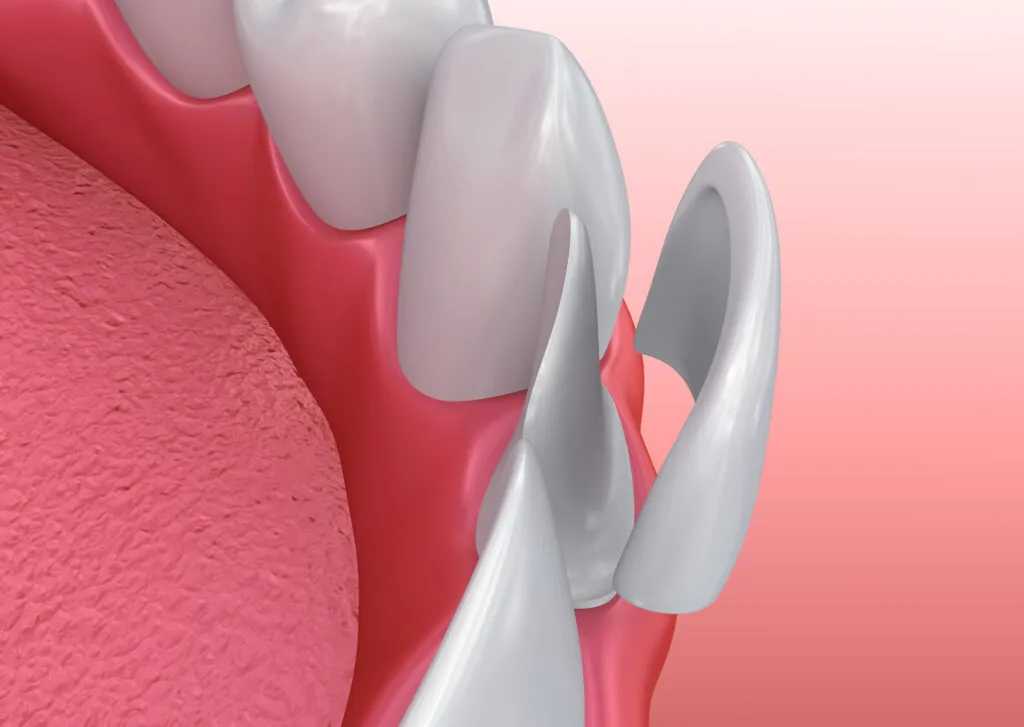
Although aesthetically pleasing, porcelain veneers are not for everyone because they are more expensive and take longer to apply than dental bonds.
Dental Implants
A dental implant is a screw placed into the jawbone. It acts like a natural root by holding an artificial replacement tooth in place.
This type of restoration requires several visits to the dentist and takes about six months to complete.
Dental Crowns
Dental crowns are suitable for severe tooth damage or decay. This type of restoration uses caps to restore your tooth shape.
Crowns require extensive preparation before application. The process may include:
- Removing enamel and dentin around the tooth, thereby preparing the tooth for a crown
- Fabricating the crown
- Cementing the crown onto the prepared tooth
Summary
Dental bonding is one of the most common cosmetic dentistry procedures performed today. It helps with chipped, cracked, or damaged teeth. There are different types of dental bonding treatment, and alternatives are also available for those who prefer another procedure.
Sources
- “The Million Dollar Smile, Changing Lives with Cosmetic Dentistry.” Blue Ocean Publishing Group, 2018.
- Hollins, C. Basic Guide to Dental Procedures. John Wiley & Sons, Inc., 2015.
- Kohli, K.D. “Smile Beautifully!: The Ultimate Consumer's Guide to Cosmetic Dentistry.” 2016.
- Syrbu, J. DDS. “The Complete Pre-Dental Guide to Modern Dentistry.” 2013.
- “Cosmetic Dentistry, The State of the Industry: Survey 2015.” American Academy of Cosmetic Dentistry.
- Sofan E., et al. "Classification review of dental adhesive systems: from the IV generation to the universal type." Ann Stomatol (Roma), 2017.

Board-certified general dentist specializing in patient education and preventive dentistry.

Web content writer specializing in making dental research accessible to diverse audiences.
Related Articles

Composite Dental Bonding: Procedure and Benefits
Get the scoop on composite bonding dental treatment. Learn its benefits, drawbacks, costs, and procedure steps to determ...
What is a Donor Tooth Transplant?
If you're looking to restore your smile, options like dentures , bridges , and implants work wonders. But the price tag...
Choosing the Best Dentures for Your Needs
It's important to know the differences between dentures. Here's how to choose a set of dentures that fits your specific...
Dental Implant Procedure
A dental implant is a beneficial cosmetic and restorative dentistry procedure. Learn about preparation, recovery, costs,...