What to Expect During Dental Cleanings


Reader-supported. We may earn a commission from links on this page. Advertising disclosure.
In this article
Key Takeaways
- Routine dental cleaning or prophylaxis cleaning involves an exam, plaque and tartar removal, prophy polish, and fluoride treatment
- The procedure is quick and painless
- Dentists recommend a dental cleaning once every six months
- Routine dental cleanings can help control plaque and tartar
- It can also help prevent gum disease and maintain oral health
What is a Prophylaxis Teeth Cleaning?
A prophylaxis dental cleaning is the most common type of teeth cleaning a dental hygienist does. It usually takes 45 to 60 minutes.
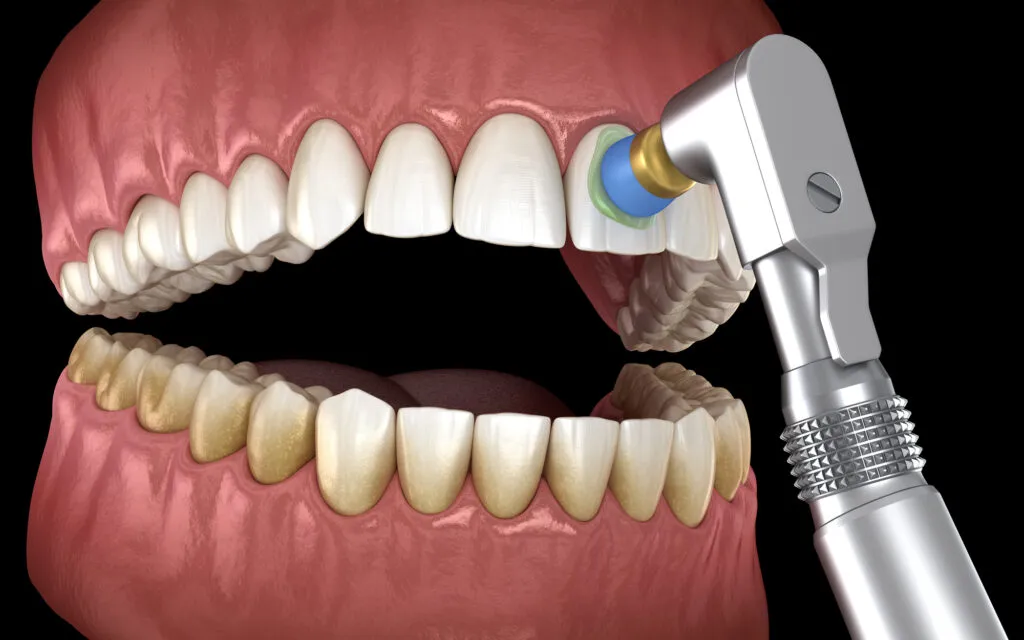
Dentists recommend you get this procedure every six months for preventative care. Regular dental cleanings are essential to:
- Maintain good oral health
- Prevent gum disease
- Stop the progression of tooth decay
- Provide education on oral hygiene
Other Types of Teeth Cleanings
Prophylaxis cleaning is the most common type of teeth cleaning. If you properly care for your oral health, it may be the only cleaning you’ll ever need.
However, there are other types of dental cleanings for more severe issues, such as:
- Scaling and root planing — Deep cleaning of the gums performed on patients with gum disease
- Periodontal maintenance — Tartar removal performed on patients with periodontal disease
- Gross debridement — Removal of extensive plaque and tartar that interfere with the oral exam
Why are Regular Teeth Cleanings Important?
Regular cleanings are essential for the overall health of your mouth and body. If you don’t visit the dentist every six months, there’s a strong chance you’ll develop cavities or gum disease.
Brush and floss regularly between cleanings, and follow any recommendations from your dentist or dental hygienist.
What To Expect From a Dental Cleaning
Routine teeth cleaning, or prophylaxis teeth cleaning, typically includes the following steps:
- Examination of your teeth, gums, and mouth
- Professional cleaning
- Fluoride treatment
A dental hygienist will perform each step of the cleaning. Your dentist may also examine your mouth when the hygienist finishes.
What Happens During a Prophylaxis Teeth Cleaning?
A dental hygienist will perform the prophylaxis teeth cleaning. Once done, your dentist may also assess your oral health.
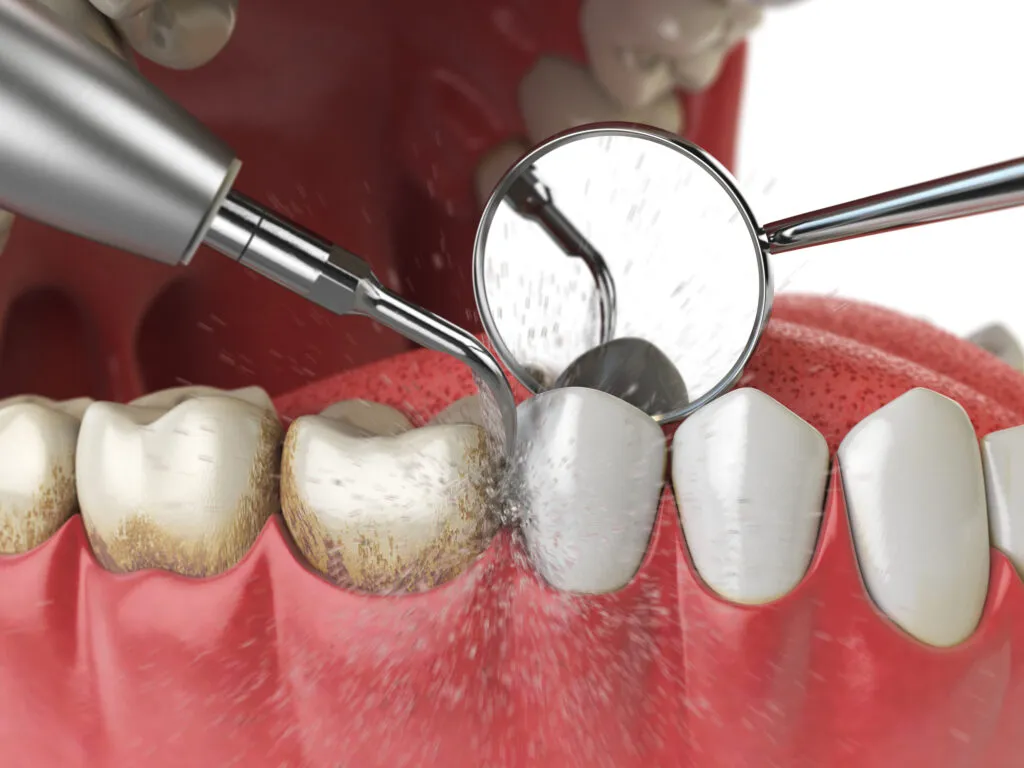
Here’s what to expect when you go in for a prophylaxis dental cleaning:
Step 1: Oral Examination
First, your dental hygienist will examine your teeth and gums. They’ll use an instrument called an explorer to look for signs of:
- Tooth decay
- Gum disease
- Plaque and tartar buildup
- Problems at the tooth roots
- Orthodontic or bite issues
- Other potential oral health issues
The hygienist will also examine your head and neck for abnormalities like cancer. If they find anything unusual during the exam, they’ll recommend treatment or a consultation with the dentist.
Step 2: Plaque and Tartar Removal
After the exam, the dental hygienist will remove plaque and tartar from your teeth and gums. Plaque is a sticky film that forms in your mouth from bacteria and food particles.
Without proper cleaning, plaque can harden into tartar. You can only get it removed at the dentist’s office.
Your dental hygienist will use a dental scraper or scaler to remove built-up tartar. They may also use an ultrasonic scaler, which uses water flow and vibrates at high speeds.
Step 3: Prophy Polishing
Next, your dental hygienist will polish and floss your teeth expertly. They will use a prophy cup and tooth polishing pastes.
The polishing paste may feel gritty because it’s supposed to scrub and polish your teeth. The prophy cup will remove lingering plaque and extrinsic stains.
After polishing your teeth with the prophy cup, your hygienist will use dental floss to perform an interdental cleaning and remove any residual prophy paste between your teeth.
Step 4: Rinsing
After polishing and flossing, your hygienist will thoroughly rinse your mouth to remove leftover particles. The rinse may include water or a liquid fluoride mixture.
Step 5: Fluoride Treatment
The final step in your prophylaxis dental cleaning is when the hygienist applies fluoride to your teeth. Fluoride is a naturally occurring mineral that strengthens enamel and protects teeth from decay.
Not every cleaning will include fluoride. For example, if you’re an adult with healthy teeth who gets regular check-ups, you may not need fluoride treatment for cleaning.
Step 6: Dental Exam
When the hygienist finishes, they will call the dentist to examine you. Your dentist will check for problems and discuss ways to maintain optimal oral health.
They may also:
- Recommend additional treatment
- Prescribe you a medicated mouthwash if you have gum disease
- Give you instructions for home care
- Discuss cosmetic procedures
Other Steps
Routine appointments take longer if your dentist finds any oral health issues during the exam. If you haven’t visited the dentist in a long time, they may also want to take updated mouth X-rays.
What to Expect After a Dental Cleaning
It’s normal for your mouth to feel strange after teeth cleaning. You may feel tender or sore. Your teeth should also feel glossy and smooth after a dental cleaning.
Follow the oral hygiene instructions given to you by your dental hygienist and dentist—brush and floss daily to prevent gum disease and tartar accumulation.
How Much Do Dental Cleanings Cost?
The cost of prophylaxis can vary depending on what you need, the area you live in, and your overall oral health. Without insurance, the price can range up to:
- Dental cleaning - $100 to $150
- Scaling and root planing - $300
- Dental x-rays - $18 to $150
- Dental exam - $100 to $150
- Flourite treatments - $60
Does Insurance Cover Dental Cleanings?
Most dental insurance plans cover the cost of preventative dental care. This includes annual or semiannual teeth cleanings.
Your insurance will also cover the expense for other services such as x-rays and sealants. Talk to your insurance provider about the full extent of your coverage.
Sources
- “Dental Visits.” National Center for Health Statistics, Centers for Disease Control and Prevention, 2022.
- “Gingivitis and periodontitis: What are the advantages and disadvantages of professional teeth-cleaning?.” InformedHealth.org, National Library of Medicine, 2020.
- “Oral Health Tips for Adults.” Centers for Disease Control & Prevention, U.S. Department of Health and Human Services, 2020.
- Edlund et al. "Efficacy of power-driven interdental cleaning tools: A systematic review and meta-analysis." Clin Exp Dent Res, 2023.
- "Dental Scaling and Root Planing for Periodontal Health: A Review of the Clinical Effectiveness, Cost-effectiveness, and Guidelines." Canadian Agency for Drugs and Technologies in Health, National Library of Medicine, 2016.
- Lamont et al. “Routine scale and polish for periodontal health in adults.” Cochrane Database System Review, National Library of Medicine, 2018.

Board-certified general dentist specializing in patient education and preventive dentistry.

Content contributor with health coaching background, skilled at simplifying dental concepts.
Related Articles

What is Gingivitis and How Do You Treat It?
Gingivitis can affect anyone at any age but is most common in adults. Learn what gingivitis is, its stages, the six symp...

Cost of Dental Check Ups
How Much Does a Dental Check-Up Cost? A dental checkup can cost between $0 to $500+ depending on several factors, includ...

What to Expect During Wisdom Teeth Removal
Learn about the wisdom teeth removal procedure, aftercare, and costs. Discover why it's essential and get tips for a smo...

Sleep Apnea Risk Assessment
Take our free online sleep apnea risk assessment to evaluate your risk factors and get personalized recommendations. Bas...