The Effects of Food on Dental Hygiene and Health


Reader-supported. We may earn a commission from links on this page. Advertising disclosure.
In this article
Good oral health and dental hygiene begin with clean teeth and proper dental care. Brushing and flossing are important oral hygiene habits, but so is eating a balanced diet.
Sugary food can cause tooth decay and dental caries (cavities), while acidic foods and carbonated soft drinks can wear down your tooth enamel. Poor nutrition can also speed up the development of gum disease and make it more severe.
This article covers the effects of food on dental hygiene and explains how to develop good dietary habits that promote healthy teeth and gums.
Are Oral Health and Overall Health Linked?
Your everyday lifestyle, general health status, and choices can positively or negatively affect your oral health.
Common risk factors associated with poor oral health include:
- Heart disease — Periodontal disease is linked to higher rates of heart disease.
- Diabetes and stroke — Untreated tooth decay increases your risk for heart disease and diabetes. There is also a higher chance of a stroke occurring as you age.
- Weakened immune system — Poor dental health results in a weakened immune system, which makes you more prone to developing systemic diseases and infections.
How Does Diabetes Affect Oral Health?
Diabetes impacts all parts of your body, including the mouth. If you have high levels of glucose (sugar) in your saliva, harmful bacteria can grow faster. Over time, those bacteria and food particles lead to more plaque buildup.
Uncontrolled diabetes can lead to infections and pain affecting teeth, gums, and oral tissues.
Learn which oral conditions commonly impact people with uncontrolled diabetes.
How Food Affects Your Oral Health
Sugar plays a direct role in the development of cavities. This is because bacteria in plaque use sugar as energy and then release harmful acids as waste. As a result, your enamel dissolves, and cavities form.
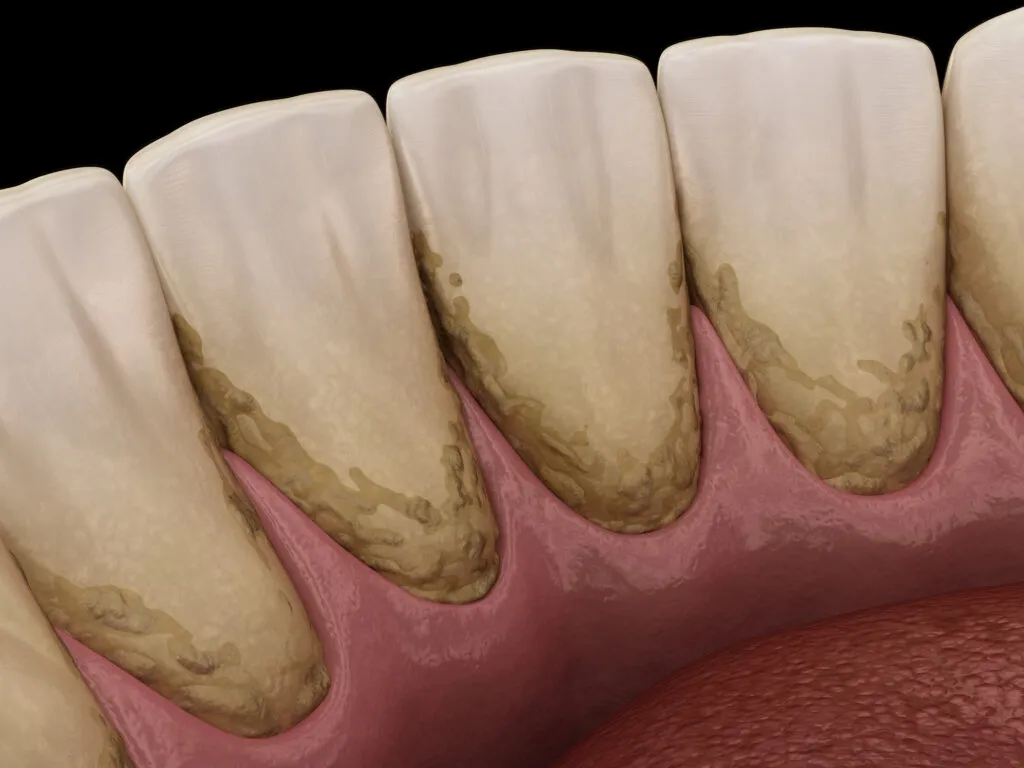
Tooth decay progresses as you age, and the effects of sugar on the teeth are lifelong. This means that frequent consumption of sugar over a long time results in more:
- Dental plaque
- Dental erosion
- Tooth decay
- Cavities
Tooth loss and soft-tissue (gum) damage can also occur if left untreated.
What Foods Are Bad for Dental Hygiene?
For healthy teeth and gums, avoid foods that increase acid production from oral bacteria. These include:
- Sweet foods and sticky candies — Such as caramels, lollipops, and gummies.
- Starchy foods that stick to your teeth — Potato chips and soft pieces of bread can get stuck between your teeth.
- Fizzy drinks — Regular soft drinks are full of sugar, and even diet sodas contain acids that wear down tooth enamel.
- Acidic fruits — Citrus fruit like lemons and limes are high in acid, which can erode enamel and irritate mouth sores.
- Alcoholic beverages — Alcohol causes dehydration and dry mouth. Reduced saliva levels increase your risk for tooth decay and gum disease.
Studies show that there may be a way to minimize the risk of tooth decay if you limit added sugars to 5 percent of your total daily intake. Natural sugars found in fruits, vegetables, grains, and dairy products are not included in this percentage.
What Foods Are Good for Dental Hygiene?
Eating healthy foods can counteract the effects of acids on tooth erosion. Additionally, getting enough essential nutrients can protect periodontal health by boosting your immune response.
Foods and drinks that are good for your oral health include:
- Still water — Drinking water keeps your saliva levels high. Fluoridated water is especially good for restoring tooth enamel.
- Fresh fruits and raw vegetables — Fiber-rich foods like fresh fruits and veggies help to clean your teeth and boost saliva production.
- Leafy greens and dairy products — Calcium-rich foods like leafy greens, cheese, and plain yogurt help rebuild healthy teeth.
- Green and black teas — The polyphenols in these teas reduce or destroy bad bacteria in your mouth.
A balanced diet includes a variety of foods from the five major food groups. Add whole grains, lean protein, beans, and legumes to the above foods.
The Effects of Other Substances on Oral Health
Good dietary habits can lead to healthy teeth and gums, but other substances can affect your dental hygiene. These include:
Medications
Many prescription and over-the-counter medications can lead to uncomfortable and serious oral health conditions.
For example, antidepressants and blood pressure medications can cause dry mouth. This condition happens when the salivary glands in the mouth don’t produce enough saliva.
Learn more about which medications impact your dental health.
Chemotherapy
Chemotherapy can cause a variety of oral health problems, including:
- Dry mouth
- Cavities
- Gingivitis
- Periodontal disease
- Mouth ulcers
- Oral thrush
Excessive Alcohol Use and Addiction
Long-term and excessive alcohol consumption negatively impacts your teeth and gums. This can result in serious dental conditions, including:
- Enamel erosion
- Dry mouth
- Cavities
- Bruxism (teeth grinding)
- Periodontal disease
- Mouth sores
- Oral cancer
Other minor conditions that may develop from alcohol abuse include tooth discoloration and bad breath.
Learn more about how alcohol use and addiction negatively affect your oral health.
Substance Use and Addiction
Cavities and periodontal disease are more prevalent in people who use drugs than in those who don’t. This is mainly because people who use drugs may skip regular dental visits and have more tartar (hardened plaque) on their teeth.
Long-term use of illicit drugs like amphetamines, cocaine, and opiates can lead to similar problems as excessive alcohol consumption.
In more severe cases, people who use meth can develop “meth mouth.” This condition can result in rotten teeth, cracked teeth, permanent gum damage, and eventually, tooth loss.
Learn more about how drugs can severely damage your oral health.
Tobacco Products
Long-term tobacco and nicotine users commonly suffer from minor and serious oral health conditions. This includes:
- Bad breath
- Dry mouth
- Tooth discoloration
- Cavities
- Oral cancer
- Gum disease
Learn more about how nicotine and tobacco can negatively impact your oral health.
Four Easy Ways to Maintain Good Oral Health
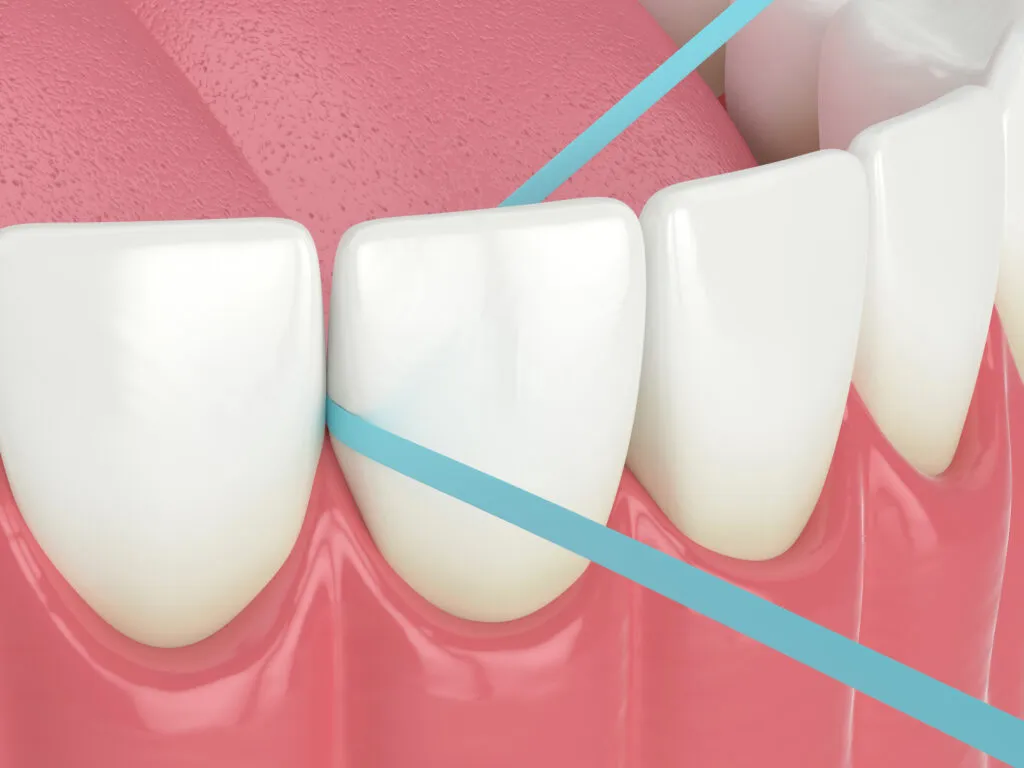
To reduce the chance of developing a minor or serious oral condition, staying on top of basic oral care practices is essential:
1. Brush Your Teeth
Brushing at least twice daily is one of the most important oral care habits. It keeps the teeth and mouth healthy. Using fluoride-based toothpaste also stimulates the gums, which helps prevent gum disease and cavities.
2. Floss Regularly
Properly flossing teeth daily helps reduce the chance of cavities forming between teeth.
Flossing removes plaque and food in places where toothbrushes can’t reach. Establishing a normal routine reduces the chance of developing cavities and other oral conditions.
3. Drink Fluoridated Water
Fluoride is a natural mineral found in soil and rocks that helps prevent cavities. Over the last 70 years, small amounts of fluoride have been added to community water supplies to help strengthen tooth enamel.
4. Go to the Dentist
Regular teeth cleanings and dental exams are essential for oral disease prevention. You should get your teeth professionally cleaned every six months.
Summary
The foods you eat have a major effect on dental hygiene and oral health. Sugary foods and fizzy drinks increase acid production in your mouth, which erodes tooth enamel.
Eating healthy foods and avoiding sugars can help prevent tooth decay and reduce your risk for gum disease. It’s also important to maintain proper oral hygiene habits and get regular dental checkups.
Other substances that can negatively affect your oral health include medications, alcohol, and drugs.
The Effects of Food on Dental Hygiene and Health
NewMouth PodcastSources
- “Sugars and Tooth Decay.” - Queen Mary University of London, nd.
- “Diabetes and Dental Health.” American Dental Association, nd.
- “Alcohol Use and Your Health.” Centers for Disease Control and Prevention, 2025.
- Moharamzadeh, K. “Diseases and Conditions in Dentistry: an Evidence-Based Reference.” Wiley, 2018.
- Palmer, C, and Boyd, L. “Diet and Nutrition in Oral Health.” Pearson Prentice Hall, 2016.
- “Talking to Pregnant Women about Oral Health.” Centers for Disease Control and Prevention, 2024.

Experienced general dentist and adjunct professor. Advocates for preventive dentistry and dental education.

Lead content writer and certified nutritionist focusing on clear aligners and teeth whitening.
Related Articles

Developmental Disabilities and Oral Health
Developmental disabilities and oral health can affect each other. Learn more about common dental conditions associated w...

Effects of Diabetes on Oral Health
Manage your oral health by managing your diabetes. Here are common dental issues associated with diabetes and some tips...

How Diet Influences Your Oral and Dental Health
Your diet and oral health can greatly impact one another. Find out which foods to avoid and which ones to eat for health...

Medications That Affect Teeth & Gum Health
Certain medications can affect your teeth and gums. Understand the most common oral health conditions caused by medicati...